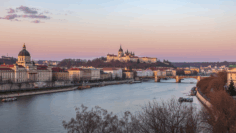
Visiting the Village of Europe: Espoo and Helsinki, Finland
Visiting the Village of Europe
Espoo and Helsinki, Finland
October 2019 and November 2023
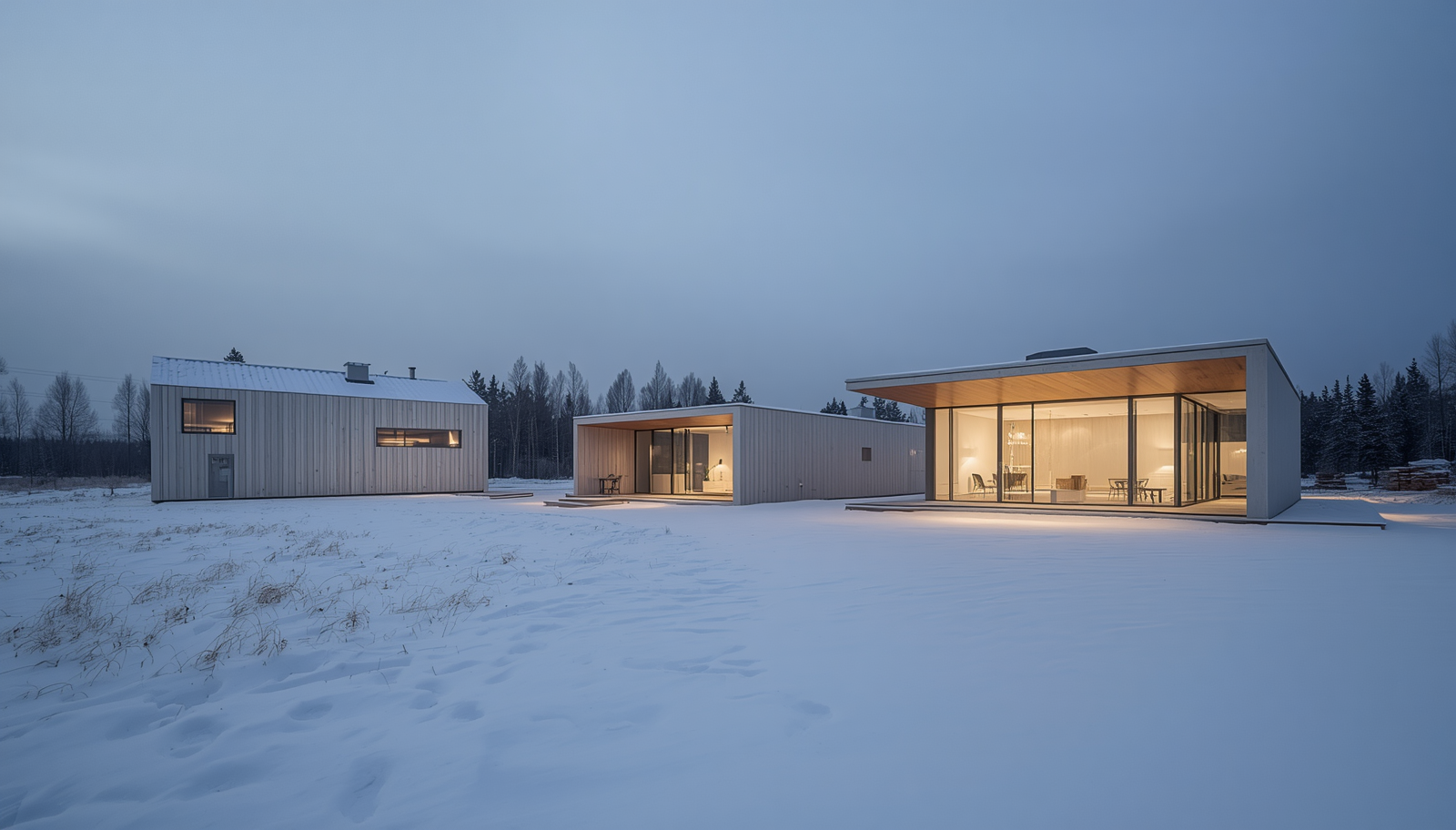
Finland sits in the far north of Europe, a country shaped by forests, lakes, and long winters that have helped define both its culture and its character. With a population of about 5.6 million people, most Finns live in the southern regions, including the capital Helsinki, while vast stretches of the country remain sparsely populated and covered in pristine nature. Finland is part of the Nordic region and a member of the European Union and NATO, known internationally for its clean environment, strong social systems, and consistently high quality of life. It shares land borders with Sweden to the west, Norway to the north, and Russia to the east, while the Baltic Sea and the Gulf of Finland separate it from Estonia to the south. Its landscape is dominated by thousands of lakes, dense woodlands, and protected reserves, making outdoor activities an essential part of Finnish life.
Culturally, Finland is often associated with the concept of sisu, a uniquely Finnish idea that blends resilience, quiet determination, and inner strength. Finns tend to be reserved in manner but deeply value honesty, equality, and personal space. Finland is celebrated for its world‑leading education system, innovative design, and a society that balances modernity with a deep respect for nature. Whether through its vibrant cities or its silent northern wilderness, Finland offers a blend of calm, clarity, and understated beauty that feels distinctly its own.
First Trip: October 2019
In September 2019, I was contacted by Mawlānā Sohail Bawa Saheb from the London Khatm-i Nubuwwat Centre. He asked whether my wife, Umm Huzayfah, who is an ‘ālima (female scholar), would be able to travel to Helsinki to speak at a conference focused on marriage, specifically for a dedicated women’s session.
Mawlānā Sohail then put me in touch with Prof. Dr. Muhammad Nadeem Asghar, based in Helsinki. He explained that he was assisting a Somali sister, Fadumo, who was organising the conference and was looking for a suitable female speaker. Alongside this, it was suggested that I would also deliver a talk, accompanying my wife on the trip.
After discussing it together and receiving my wife’s agreement, I booked our flights. We arrived in Helsinki late on Friday night, 25 October, where we were met by one of the local Somali brothers. He kindly drove us to our accommodation, a rented apartment in a quiet residential area. Due to a last-minute change in arrangements, there was a brief moment of confusion, and we initially went to the wrong location. Alḥamdulillāh, everything was soon resolved, and we made it to the apartment without further difficulty.
By the time we settled in, the day’s travel had caught up with us, and we were grateful for the chance to get some rest. The conference was scheduled to begin early the next morning, on Saturday, and we knew the day ahead would be a full one.
Saturday, 26 October 2019
We were picked up early the next morning and taken to the conference centre, Messukeskus Helsinki (Helsinki Expo and Convention Centre), located in the Pasila district. The building itself was large and modern, clearly designed to host major events rather than the relatively small gatherings more common to local community programmes. Walking inside for the first time, I was struck by the spaciousness and professional layout—it immediately felt like a venue built to handle large, serious conferences, which gave the day a sense of occasion.
I was scheduled to speak either in the first or second slot of the day, while my wife’s session was planned for the afternoon. However, once the programme got underway, it became clear that things would not proceed exactly as planned. Two of the speakers who had been invited from the United States were unable to attend at the last minute. In addition to myself and my wife, there was at least one local speaker, as well as a counsellor from Norway, who had also been invited to present.
I met with Dr. Nadeem in the morning, and he mentioned that he was also delivering a session titled “Genetics, Consanguinity, and Marriage: Medical Implications for Future Generations.” In simple words, he discussed genetics and inter-cousin marriages, highlighting the importance of genetic counselling before marriage to understand inherited risks, plan responsibly, and promote healthier families in the future. Because of the absence of the two overseas speakers, I was asked to step in and conduct additional sessions to fill the gaps in the programme. Alḥamdulillāh, this came at a time when my book Handbook of a Healthy Muslim Marriage had just been published, so speaking on different aspects of marriage did not require much preparation. The material was fresh in my mind, and the discussions flowed naturally.
At lunchtime, we ate at the Fair Buffet, a restaurant at the conference centre itself. By then, snow had begun to fall outside, and travelling into the city to find a Muslim restaurant, and then returning in time for the next sessions, would have been impractical. In the end, the café turned out to be an unexpectedly good choice. The food was simple, natural, and wholesome, with a strong emphasis on vegetarian options, all using seasonal ingredients. The flavours were earthy and satisfying, very much in keeping with the Nordic approach to food.
The programme itself went well, though the turnout was lower than one might have expected for such a large venue. The hall had the capacity to accommodate a far greater number of attendees, which made the gaps in the seating more noticeable. Despite this, the importance of the subject matter could not be overstated. Guidance on marriage, alongside the Islamic upbringing of children, remains one of the most pressing concerns for Muslims living in the West.
I took the opportunity to compliment Sister Fadumo and her team for their efforts. Organising what was, in effect, a grand convention on marriage for a relatively small community was no small task. Dr Nadeem also expressed his gratitude for my presence, remarking that I had, in his words, “saved the day,” given the absence of the two speakers from the USA. In addition to the main sessions, I conducted several breakout discussions and later participated in a question-and-answer panel alongside a number of local scholars and Muslim community leaders.
A Pakistani PhD student in plant sciences, Muhammad Azfar, also remained with me and Dr Nadeem throughout much of the conference. It was genuinely educational spending time with both of them, talking through their respective research areas in the medical field. Because we were living through the COVID pandemic at the time, many of those conversations proved especially valuable, helping me better understand the nature of the disease and the scale of its impact on the world. Those informal conversations, often between sessions, were an added benefit of the trip.
Most of the conference attendees were of Somali origin. I was informed that Somalis make up nearly fifty per cent of the Muslim immigrant community in Finland, with Kurds accounting for around thirty per cent. The remaining twenty per cent consists of Tatars, Pakistanis, Indians, Bangladeshis, Afghans, Syrians, and Muslims from other Arab countries.
South Asians, including Indians, Pakistanis, and Bangladeshis, number roughly twelve thousand in total. At the time, Finland’s population stood at around five million, of which approximately one hundred thousand were Muslims, making up about three per cent of the overall population.
The Tatar Muslims form the oldest Muslim community in Finland, having been established there for around a century. This is likely due to Finland’s proximity to Russia, where Tatarstan is now located. Somalis represent the second oldest major Muslim community, with significant settlement beginning in the 1990s.
One of the speakers from the United States, who had been unable to attend in person, delivered his talk via an online connection. While he was speaking, my two companions approached me with visible concern. They asked why the speaker was delving into Islamic creedal issues at a conference focused on marriage, particularly when he was referring to what he described as “deviances in creedal matters”.
I explained to them that, unfortunately, some Salafi speakers have long been preoccupied with such debates, often operating under the assumption that the majority of Muslims are ignorant of, or deviant in, their creed. This has sometimes extended even to the two main theological schools of Ahl al-Sunna, the Ashʿarīs and the Māturīdīs. Over time, these speakers become so accustomed to highlighting what they perceive as deviations that they introduce them into almost every talk, regardless of the actual subject matter.
For the past twenty years or so, a great deal of time and communal energy has been lost to these disputes, leading to unnecessary divisions within the Muslim community. Alḥamdulillāh, the situation has changed considerably. Today, only a small minority continue to promote these extreme positions. The majority now work constructively alongside the wider community and have made positive contributions to educational, social, and communal efforts, helping to foster greater unity.
After the conference concluded, we went for dinner at a Muslim pizzeria in Leppävaara, Espoo, where we had a simple but satisfying meal. From there, we were dropped back at our accommodation, bringing a long and demanding day to a close.
Sunday, 27 October 2019
Breakfast had been advertised as being available at a café close to our accommodation, but for reasons that were never quite clear, it was not open that morning. Instead, we decided to go for a short walk around the neighbourhood. The temperature was freezing, and snow covered the ground, but we were well wrapped up. The scene was strikingly white and quiet, and despite the cold, it was a very pleasant walk.
During that walk, we came across a small local farmers’ market with a selection of interesting regional produce. We bought a few jars of pickled garlic, which turned out to be particularly good and made for an unexpectedly memorable purchase.
Later that morning, we were picked up for the day’s lecture, which was being held at a different venue, this time at the Aalto university. By then, the weather had shifted again. The snow had turned to rain, and the sky had grown noticeably darker, giving the day a subdued and almost hurried feel.
I completed my session just in time, as we needed to leave immediately afterwards to catch our return flight. There was little opportunity to linger, so we met everyone briefly, exchanged our farewells, and then made our way straight to the airport.
Because I had been asked to fill in for the absent speakers, our schedule had been particularly tight. As a result, we were unable to see much of the city beyond the conference centre, a part of the university campus, and the small farmers’ market near our accommodation. We did not visit any of the usual tourist sites, but this did not trouble us. Our primary purpose had been to deliver the lectures, engage with members of the Muslim community, and, above all, to seek Allāh’s pleasure in the work He had allowed us to do.
One regret, however, was that we were not able to meet many of the older members of the community or settled families. The conference was attended mainly by younger adults. In my experience, gaining a fuller understanding of any Muslim community often comes from spending time with its older, established families and seeing how faith and daily life are woven together over time. Unfortunately, that opportunity did not arise on this visit.
Second Trip: November 2023
Saturday, 25 November 2023
Since our visit in October 2019, I had remained in contact with Dr Nadeem and had conducted several online sessions at his request. He is the Chairman of the Pakistan Finland Professional Association and has been deeply involved in organising programmes for the Muslim community in Finland. Over the years, he has arranged various sīra programmes and Khatm-i Nubuwwat (Finality of Prophethood) conferences, addressing both educational and doctrinal needs within the community. He is also a deputy councillor in the Espoo City Council.
One of his particularly noteworthy efforts has been organising a dedicated booth at national exhibitions in Helsinki, presenting mainstream, orthodox Islam to the wider public. He ensured that a number of local Muslims were present to answer questions from visitors, including Muslims and non-Muslims alike, and made a conscious effort to provide reliable Islamic literature, including publications from White Thread Press.
Unfortunately, at such events, Qadianis (Ahmadis) have often been the only group publicly representing Muslims, despite holding beliefs that are fundamentally at odds with mainstream Islam. Some mainstream bookshops in Finland have even stocked their translations of the Qur’an. Dr Nadeem has therefore worked actively to clarify orthodox Islamic beliefs and to explain that Ahmadi doctrines are unanimously regarded by the vast majority of Muslims as being outside the fold of Islam. Central to this is the belief held by Ahmadis in a prophet after the final Prophet, Muḥammad ﷺ, whereas the finality of the Prophethood of Muḥammad ﷺ is a fundamental belief of Islam and a matter of scholarly consensus.
Since my previous visit, Dr Nadeem had repeatedly encouraged me to return, pointing out that during the 2019 trip we had seen very little of the city. The conference schedule had been intense, and the weather had not been particularly favourable either. This time, he assured me, things would be different. He was keen for me to see more of Helsinki and to spend time with a broader cross-section of the Muslim community.
For this trip, I took my youngest son, Saalim, with me so that we could spend a weekend together. Our Ryanair flight departed Stansted at 6.55 am, which meant leaving home at around 4.55 am. We reached the airport in about thirty minutes. Security was surprisingly quick, with multiple lanes open, and we passed through without much delay. After grabbing a light breakfast, we boarded the flight.
I had been allocated a seat in the emergency exit row, which offered extra legroom, but as under-fifteens are not permitted to sit there, Saalim had to take a seat a few rows behind me. Given the early start and lack of sleep the night before, we tried to rest for most of the journey.
We landed in Helsinki just before 1 pm, local time, as Finland is two hours ahead of the UK. Although we had no checked luggage, there was a long queue at immigration, and it took around twenty minutes to clear. Dr Nadeem was waiting at the airport to pick us up, marking the start of what promised to be a very different visit from the one four years earlier.
The Extreme Cold
Just like our previous visit, there was snow on the ground when we arrived. Over the preceding days, the temperature had hovered around minus two to minus three degrees centigrade, but for that weekend it had dropped sharply to around minus twelve. At immigration, the officer casually remarked that this was still not considered particularly cold by local standards, explaining that only when it reaches minus twenty do they regard it as truly cold. At first, I found this slightly surprising, but once we stepped outside, it made more sense. With the right clothing, it was entirely manageable.
That cold, however, brought back memories of a trip the year before, in December 2022, when I had been stranded overnight in Calgary after my flight to Toronto was cancelled due to severe snowstorms. On that occasion, the temperature had fallen to minus forty degrees, a level of cold that is not merely uncomfortable, but genuinely dangerous.
Stepping outside, even briefly, felt like an assault on the body. The air burned the lungs with each breath, eyelashes and beards stiffened almost instantly, and exposed skin began to ache and numb within seconds. At that temperature, the cold is merciless. Fingers lose sensation rapidly, movement becomes clumsy, and the risk of frostbite is ever-present. Prolonged exposure can cause flesh itself to freeze solid, making even a minor fall or impact potentially catastrophic. It is the kind of cold that strips away any illusion of control, leaving a person acutely aware of their own fragility.
That type of cold stirs a sobering spiritual reflection. In Islam, Hellfire is not described as punishment by heat alone. Alongside the burning fire is zamharīr, an extreme, penetrating cold, described as being as unbearable as the fire itself. Allāh says:
﴿مُتَّكِئِينَ فِيهَا عَلَى الْأَرَائِكِ لَا يَرَوْنَ فِيهَا شَمْسًا وَلَا زَمْهَرِيرًا﴾
They will be reclining therein on couches; they will see neither scorching sun nor freezing cold (zamharīr) (Insān, 76:13).
The Messenger of Allāh ﷺ said:
Hell complained to its Lord, saying: ‘My parts are consuming one another.’ So He allowed it two breaths: one in winter and one in summer. The most intense cold you experience comes from its freezing breath, and the most intense heat you experience comes from its scorching breath” (Bukhari, Muslim).
Experiencing even a small fraction of such cold in this world made that concept suddenly more tangible. If a few minutes in minus forty degrees centigrade could overwhelm the senses and numb the body so completely, what then of a punishment beyond human measure, where neither heat nor cold offers relief?
Dr Nadeem took us out to eat first. Interestingly, it turned out to be the same pizzeria where we had eaten during our previous visit. Since then, however, it had changed ownership and was now run by a friendly Kurdish man from Iraq. As we spoke, it emerged that he had known Shaykh Aḥmad Kaftārū of Damascus, the then Grand Muftī of Syria, after I mentioned that I had studied in the blessed city. I told him that I had lived very close to the late Shaykh’s institute, the Mujammaʿ Abī ’l-Nūr in the Rukn al-Dīn district. It was one of those small, unexpected connections that often arise when travelling within the Muslim world.
The food was excellent. I had doner kebab with chips, lentil soup, and salad. I am not usually a fan of doner kebab, but this one tasted fresh and wholesome, far removed from the heavy, greasy versions one often encounters. May Allāh bless the owner, place baraka in his trade, and grant him halal provision.
As it was not yet time to check in to our room, we went directly to a masjid in Leppävaara, in the heart of Espoo, Helsinki’s twin city, where many migrants live. Most people in the area understand and speak English, which makes daily interactions easier. The masjid is located close to a large shopping centre known as Sello Mall, the main commercial hub of the area. In fact, there are three or four masjids within this locality alone.
The masjid we visited is called Masjid Taqwa. It is situated on the first floor above a row of shops in a small strip mall. The congregation for Ṣalāt al-‘Aṣr had just begun according to the earlier Shāfi‘ī time, but we were unable to join, as we had not yet prayed Ẓuhr. We therefore prayed Ẓuhr, as it was still within its time according to the later Ḥanafī position. A few minutes later, at 1:39 pm, ‘Aṣr time entered for us, and we prayed again.
A children’s class was taking place in the masjid. It was heartening to see the effort being made to educate the next generation. We met the Somali imām, Shaykh Muhammad, who teaches the children how to read the Qur’ān and also assists some of them in memorising it. It is always uplifting to see Islamic classes in progress, especially those focused on children. For Muslim minorities across the world, this may be one of the most critical responsibilities they carry. Without regular madrasa classes, preserving faith in non-Muslim societies becomes extremely difficult. Children can easily drift away otherwise.
Parents often care deeply about their children’s religious upbringing, but many are preoccupied with earning a living and simply managing day-to-day life. Added to this is the reality that a significant number of Muslims possess only a basic level of religious knowledge themselves. For these reasons, such classes are invaluable. The majority of those who attend this masjid are Somali and Kurdish families from the surrounding area.
We then needed to make our way to Olari Masjid for Maghrib prayer, which was around 3:40 pm. A programme had been scheduled there for me following the prayer. The premises are rented and include a separate section for women worshippers. Like many prayer spaces in Finland, it functions more as a muṣallā than a full legal masjid. The community hopes to purchase the building and establish it as a permanent masjid. May Allāh make this easy for them.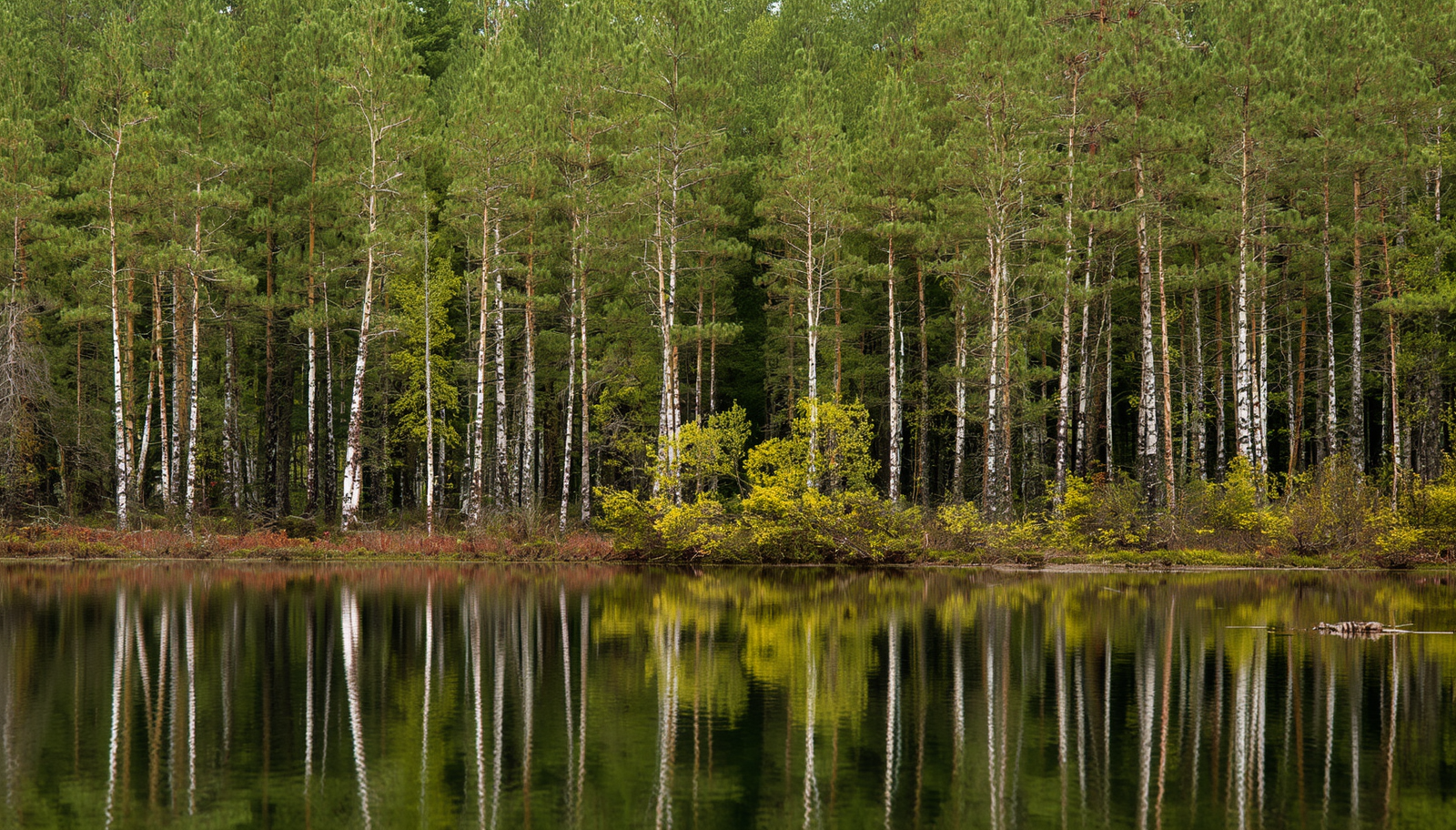
The audience for the talk consisted mainly of Pakistani families, along with Indians, Egyptians, and Somalis. One attendee approached me and mentioned that he had been listening to my lectures for many years, ever since hearing my travelogue from Mauritania, which I had visited in 2012. He then invited me to ask his name. When I did, he replied that it was ‘Abdullah ibn [al-]Mubarak, named after the famous hadith scholar. He is a ḥāfiẓ of the entire Qur’ān and had travelled from the city of Tampere, around two hours away, specifically to attend and meet me.
He encouraged me to visit their community in the future, describing it as well organised and ethnically diverse. I told him that perhaps, in sha’ Allāh, that could happen on a future visit.
I led the Maghrib prayer, after which the programme began. Saalim recited a portion from Surat al-Furqan to open the session. I then delivered my talk, focusing on preparation for marriage, addressing and reforming weaknesses in one’s character, and sharing some practical guidance on parenting. Unsurprisingly, these topics resonated strongly with those present.
When the floor was opened for questions, almost everyone in attendance had something to ask. This included several questions from the sisters, although I was not sure how many were present, as they were seated in their own designated section.
During both the lecture and the question-and-answer session, the children were moving about, playing, and making noise. Alḥamdulillāh, despite this, the session went well. Their presence in the masjid is important. This is how new communities begin, and such minor disturbances must be tolerated if children are to develop a natural attachment to the masjid and parents are to feel comfortable attending. In sha’ Allāh, as the community grows and is able to secure a larger space, better arrangements can be made for children and for other segments of the congregation. Ultimately, masjids should strive to provide a crèche facility during lectures, allowing mothers in particular to benefit fully without the constant distraction of supervising young children.
Among those I met was a Pathan brother named Lutful Ahad from Swabi, a region close to where one of my teachers, Muftī Rada’ al-Haq Ṣāḥib, is from in Pakistan. When I mentioned that Muftī Ṣāḥib had been my teacher, he was visibly pleased. As human beings, we naturally form connections through shared associations, however small they may be. It is a beautiful social instinct. Discovering a common link, even with someone previously unknown, often creates an immediate sense of familiarity and ease.
Lutful had worked in Finland some years earlier, before returning again after being invited back due to his expertise as a laser physicist. His journey was yet another example of the varied and often complex paths migrants take in building their lives.
Dinner that evening was at Dr Zeeshan’s home. He is the brother of Dr Nadeem and their two other brothers were also present with their families. One of them, Professor Imran, a university professor with experience in teaching, academic research, and student supervision at different universities, including Hubei University, Tampere University, and Aalto University. Their other brother is Dr Yasir, a Cancer researcher. All four brothers hold senior professional positions in Finland, something that is often difficult for immigrants to achieve due to cultural barriers and, in my view, the absence of a critical mass needed to challenge entrenched social biases.
They attributed their success to their parents’ du‘ās and tarbiya, which they felt had laid the foundation for everything they had achieved. As we ate, the conversation ranged across many different topics. The food itself was traditional Pakistani cooking, prepared and shared in Finland, a small but familiar comfort in a distant land.
I learned that there are now around fifteen masjids in Espoo alone, and a further twenty to twenty-five in neighbouring Helsinki. Many of these are semi-masjids, or muṣallās, which often begin as rented spaces used temporarily by growing communities. Some of these are eventually purchased and converted into permanent masjids. In total, there are now roughly one hundred masjids across the country.
At the same time, there was a noticeable sense of concern. A right-wing coalition government had recently come into power, and the political atmosphere was shifting. Muslims were beginning to feel a degree of unease, as things had previously been more settled and accommodating.
Saalim, however, was enjoying himself thoroughly. There were several children around his age, and despite the temperature hovering around minus ten degrees, they went outside to play football, seemingly unaffected by the cold. Not long after, one of the children excitedly called out for us to come outside, saying that the Northern Lights had appeared.
The Northern Lights, or Aurora Borealis, are a natural phenomenon that occurs when charged particles from the sun collide with gases in the Earth’s atmosphere near the polar regions. These collisions release energy in the form of light, creating shifting curtains and waves of green, purple, and occasionally red across the night sky. It is a reminder of how events far beyond our planet quietly shape what we witness here on Earth.
By the time we stepped outside, the main display had already passed, but we were still able to catch the tail end of it, faint streaks of green light slowly dissolving into the darkness. I had heard so much about the Northern Lights over the years and never quite understood the fascination. Yet even in those brief, fleeting moments, I finally did. It felt as though the sky itself had come alive, a silent and moving spectacle that filled the heart with awe. It was impossible not to see it as one of the many signs of the beauty and power of Allāh’s creation.
Interestingly, not long afterwards, a friend of mine, Waqqas, from Oslo in Norway, sent me a message with photographs, saying that they had witnessed the Northern Lights there as well. It felt like a quiet reminder of how the same signs appear across vast distances, uniting people in shared moments of wonder.
I was told that most people in Finland prefer to live in apartments, largely because they are cheaper and easier to maintain. The costs are shared through a communal maintenance fee, whereas owning a standalone house can be expensive, particularly when it comes to plumbing and other repairs, which are costly here. Many homes, much like in other Scandinavian countries, are furnished with IKEA like furniture and often resemble compact IKEA showrooms, practical, minimalist, and designed for functionality rather than excess.
Finland is also closely associated with Nokia, a company that was once the world’s dominant mobile phone manufacturer. In the late 1990s and early 2000s, Nokia phones were everywhere, with models that became almost iconic. However, with the rise of smartphones, the company struggled to adapt quickly enough. In 2014, Nokia sold its mobile phone business to Microsoft, effectively stepping away from consumer handset production. Since then, Nokia has repositioned itself as a telecommunications infrastructure and technology company, focusing on network equipment, 5G systems, cloud services, and digital solutions for businesses rather than individual consumers.
Although Nokia-branded phones still exist today, they are produced under licence by a separate Finnish company, HMD Global, which was established in 2016 and uses the Nokia name for feature phones and selected smartphones.
More broadly, Finland’s economy is built around technology, forestry, and related industries. Its vast forests have long supported timber, paper, and pulp production, while in more recent decades the country has gained a strong reputation for engineering, telecommunications, and innovation. Outside of these sectors, the economy remains relatively small and specialised, reflecting Finland’s modest population size.
Historically, Finland was ruled by Sweden for several centuries, which explains why Swedish remains an official language alongside Finnish. This is still very visible today, with road signs, official notices, and public information commonly displayed in both languages. In the early nineteenth century, Finland became an autonomous Grand Duchy within the Russian Empire, before eventually gaining independence in 1917.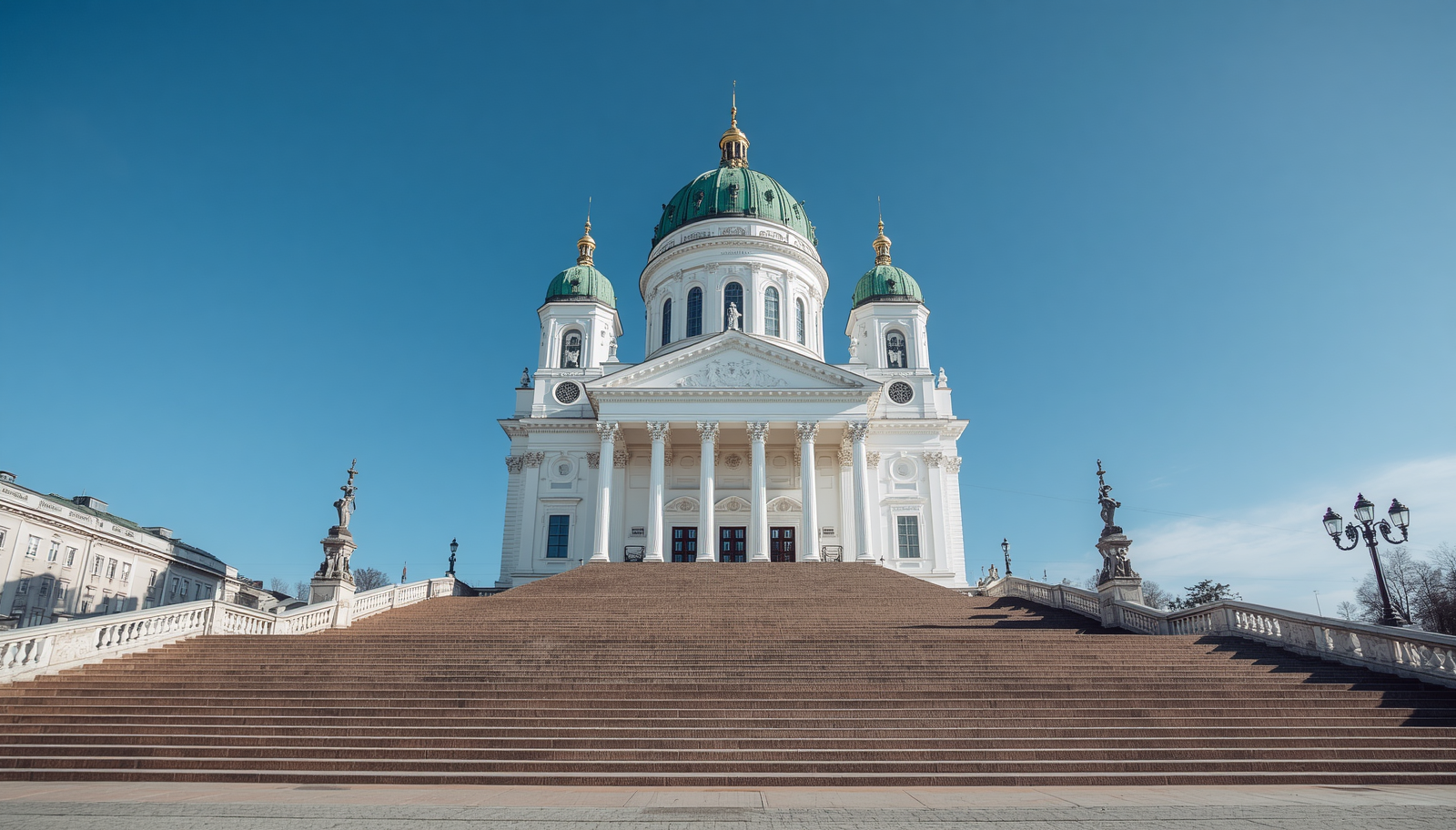
Finland today is sometimes described as the “village of Europe,” not in a dismissive sense, but because of its small population, low density, and quiet pace of life. The entire country has a population of only around five and a half million people, spread across a vast land of forests, lakes, and open countryside. Outside the main cities, people live far apart, and residential areas are often strikingly calm, with very little traffic and minimal street activity.
For visitors from more densely populated countries, this sense of space is immediately noticeable. The silence, the lack of crowds, and the abundance of personal space can feel almost unsettling at first. Over time, however, it begins to feel like one of Finland’s defining characteristics, shaping not only social behaviour, but also the country’s deep and natural connection to its surroundings.
We were also told that prisons in Finland function very differently from what many of us might expect. There is a strong emphasis on rehabilitation rather than punishment, and prisoners are often permitted home visits, sometimes even spending a couple of days outside with their families.
Later that night, on our way back to the apartment, we drove past the large, modern campus of Aalto University. The buildings were spread out and softly lit, blending quietly into the surrounding streets rather than imposing themselves on the landscape.
The check-in process for our accommodation for the night was entirely automated. The access code had been sent to us around 4 pm, which meant that when we arrived earlier in the day we were unable to enter. Now, in the evening, we finally let ourselves in without encountering a single person.
The apartment itself was a basic but clean studio, with a small kitchenette that included cutlery. However, there was no shampoo, soap, or shower gel in the bathroom. As such items are usually provided in short-term rental apartments, we had not packed any ourselves, making the omission mildly disappointing. Entry was via a code sent electronically, reinforcing the sense that the entire place was managed remotely, a system that, overall, proved very convenient.
Water, Wipes, and Western Habits
Just as with the apartment we stayed in on our first visit, the lavatory here also had a handheld water spray beside the toilet. When I first encountered it, both in this apartment and in some of the masjids, I assumed the building might be owned by Muslims, which would naturally explain the presence of such a system. However, I soon noticed the same feature in many other places and realised that it was not a religious peculiarity at all. In Finland, many people simply prefer using water for personal hygiene after using the toilet. Seeing this repeatedly made me reflect on how inadequate toilet-paper-only systems really are.
In much of the English-speaking Western world, including the UK, the US, Canada, and Australia, along with other countries, the standard practice, outside of Muslims and a few other groups, is to rely on toilet paper alone. From a practical and hygienic standpoint, this is a remarkably limited approach. Human excretion varies widely, and wiping alone cannot reliably ensure cleanliness. This perhaps explains why daily showers are considered essential in these societies, and why some people resort to wet wipes or other compensatory measures. Without water, genuine cleanliness is rarely achieved, often leaving residue that can irritate the skin or encourage bacterial growth.
By contrast, in France, the traditional bidet has been a common bathroom fixture for well over a century, offering a simple and effective way to cleanse with water. During a road trip to southern Spain through France, we noticed that even service stations and public facilities in both countries often had some form of water-based cleansing available, highlighting how widely accepted this standard is in parts of Europe. Similar practices are found in Portugal, Italy, and across much of Eastern Europe. In India, Pakistan, much of South-East Asia, and many countries in Africa, almost every household toilet includes a small water jug, or lōtā, or some other facility for washing. In Japan, high-tech toilets with adjustable water jets are commonplace. In many Arab and Muslim-majority countries, handheld sprays and water are standard. All of these systems provide far superior hygiene, cleaning properly the first time rather than relying on repeated wiping or compensatory showers.
During the Islamic rule of Al-Andalus (711–1492) in the Iberian Peninsula, Muslim rulers introduced advanced bathing, sanitation, and hygiene practices. Public and private baths (hammams) were widespread, and water-based personal hygiene was emphasised in daily life and religious practice. This included handwashing, use of water for intimate cleansing, and plumbing systems in homes. Many historians suggest that this tradition influenced local customs, including the adoption of bidets and other water-based hygiene systems in Spain and Portugal.
In France, while bidets are generally associated with the 17th–18th centuries, the concept of water-based personal hygiene may also have been indirectly inspired by Iberian practices during periods of cultural exchange. The influence is less direct in France than in Spain and Portugal, but the broader European interest in cleanliness and bath culture in this period shows a legacy of Muslim hygiene traditions.
The plumbing of the Finnish hand held spray system was slightly different to what I have seen in other places. The spray consisted of a flexible hose connected to the exposed water pipes beneath the wash basin, with an adjustable nozzle at the end. To use it, the sink tap had to be turned on, after which pressing the spray trigger on the hose diverted the water. While I was grateful that it was available, it would be more efficient if the spray were plumbed separately, as turning on the sink tap each time inevitably wastes water.
While I’m always relieved to find even a French‑style bidet when there’s no handheld spray or water pot in sight, I cannot pretend it has ever felt like an intuitive piece of bathroom engineering. You finish your business and suddenly you’re faced with a low porcelain basin that seems to whisper, “Go on then… figure me out.” Do you shuffle over? Do you straddle it like a confused cowboy? Which way do you face? And how many limbs does one need to operate the taps without creating a small indoor fountain?
The classic French bidet sits politely beside the toilet, waiting for you to adjust the water temperature, position yourself with optimism, and wash—sometimes with soap, sometimes with more hope than technique. The Turkish system, on the other hand, puts the spray right inside the back of the toilet, which feels far more sensible and is closer to the famously advanced Japanese toilets with their warm seats, adjustable sprays, and flushing sounds. With these integrated systems, washing becomes a bit easier, though it still involves a bit of body‑adjusting to get the spray exactly where it needs to go. At least you don’t have to perform a full bathroom relocation to a separate fixture.
What I’ve always found baffling, especially in some Middle Eastern countries, is that even some high‑end hotels proudly install French bidets, despite the fact that their own local hose‑spray systems are far more practical and hygienic. It feels oddly backwards: spending extra money on a less efficient solution when a perfectly superior one is already part of the regional plumbing culture. Some hotels will attach a spray hose to the bidet if you ask nicely, but more often I’ve ended up repurposing empty drinking‑water bottles as makeshift washing tools. Housekeeping, of course, assumes these are rubbish and helpfully throws them away, leaving me to begin the bottle‑hunt all over again.
Using water, whether through a spray, a bidet, or a humble lōtā, is not just a cultural quirk. It is simply a more hygienic system. After enough travel mishaps and disappearing water bottles, the inadequacy of toilet‑paper‑only routines becomes painfully clear. Countries like the UK, the US, Canada, Australia, along with others where water‑based cleaning isn’t yet the norm, could benefit enormously from treating water‑based hygiene as the norm rather than an exotic upgrade.
Sunday, 26 November 2023
Sunrise was surprisingly late, at around 8:45 am, which meant it was one of the longest uninterrupted sleeps I had in a long time.
Dr Nadeem came by in the morning with some breakfast items, and after eating we headed out to the Iso Omena Mall, literally translated as the Big Apple Mall. It is said to be one of the largest shopping centres in Europe. What stood out immediately was that malls here are not just about retail. They function as comprehensive community hubs. Alongside shops, this one housed a library, a hospital, a dental centre, and dedicated facilities for young people and children. It struck me as a clever and efficient model, allowing people to combine shopping with visits to the library, doctor, or dentist in a single trip.
We prayed Zuhr in the shopping centre car park, as attempting to reach a masjid would have risked missing the prayer altogether. In winter, prayer times come very early and are close together, especially if one is not accustomed to such close timing, so extra care is needed.
Because it was the snowy winter season, most cars had switched to special snow tyres. These tyres have rough, stud-like grips that help prevent sliding and skidding on icy roads.
Later, we went to the masjid in Olari for a while and prayed ‘Aṣr there.
One thing that caught my attention during the day was seeing many mothers out with their babies in pushchairs, even though the temperature was around minus ten degrees. The babies were very well wrapped, of course. I could not help thinking that exposure to the cold from such an early age must help children develop a natural tolerance and resilience to lower temperatures.
There is a well-known saying in Finnish that resonated with me:
Det finnes ikke dårlig vær, bare dårlig klær.
There is no bad weather, only bad clothes.
Because I was dressed in overtly Muslim clothing, I did notice a few side glances. When I see someone looking at me, I usually acknowledge them with a small nod, even without saying hello. However, I was told that Finnish people tend not to interact much, even among themselves. They are generally reserved and do not often engage in casual conversation at bus stops or in public spaces, particularly among the older generation. There is also some level of racism, especially directed towards immigrants, although younger people appear to be moving towards a more multicultural outlook.
I tried nodding at someone, but there was little response. In North America, failing to acknowledge someone can be seen as rude, while in the UK, people usually respond in kind. Here, however, people seem far more introverted, and such gestures are often met with quiet indifference rather than hostility.
I was informed that the maktab (education) system for children here does not usually run on weekdays. In most places, lessons are held only on weekends, or sometimes just on Fridays. This, in my view, is very detrimental for children, as it limits their exposure to the Qur’an and other aspects of their religion to only one or two days a week. Faith, like anything else, requires consistency, and such infrequent contact makes it far harder for children to develop a strong and lasting attachment to their dīn.
Even after the lecture the previous day, one of the main concerns repeatedly raised by the community was the education of their children, both in terms of religious grounding and access to safe, values-aligned secular education. One question that kept resurfacing was about homeschooling.
Homeschooling Dilemma
My general view has always been that if there is a well-performing Islamic school, then that is usually the best option. If, however, the Islamic school is underperforming, and there is a strong, well-run mainstream school, then either option may be chosen. In many cases, good mainstream schools are disciplined environments where students are not allowed to waste their time, are encouraged to work hard, and are taught to be competitive and focused. This can sometimes lead to better outcomes than substandard Muslim schools, where children may not take their studies seriously and can drift into unhealthy habits. Unfortunately, not all Muslim schools fulfil their responsibility properly.
That said, these decisions have become far more difficult in recent years due to the aggressive introduction of sex education and LGBTQ narratives to very young children. This has understandably alarmed many parents and has made them question options that previously seemed acceptable.
Homeschooling, however, is not a solution for everyone. It requires a great deal of patience, structure, and long-term commitment from both parents and children. Being a parent and a teacher at the same time is no small task, and switching between those roles can be emotionally and mentally exhausting. While many families do manage it successfully, it is not without its challenges. Perhaps the most balanced option, where possible, is a like-minded homeschooling cooperative, where several families come together, pool their resources, and share teaching responsibilities, provided they are aligned in their ethical and moral outlook.
Later, we reached Helsinki and went to eat at the home of Umar Sayyid, who had kindly invited us for lunch. He has a beautiful young son named Muhammad Taqi, named after our respected shaykh, Muftī Muhammad Taqi Usmani of Karachi. May Allāh make him a true reflection of his namesake and bless the entire family.
A few other families were also present. Before arriving in Finland, I had been unsure what to expect in terms of food, but, mā shā’ Allāh, the spread included nihari and fresh tandoori naan, and it was absolutely delicious.
We then went to buy some Finnish chocolate from a local supermarket. One of the most popular local brands is Geisha, produced by Fazer, one of Finland’s leading confectionery manufacturers. Introduced in 1962, the classic Geisha bar combines smooth milk chocolate with a creamy hazelnut‑nougat filling. It also comes in various editions, including the familiar pink and blue wrappers, marketed as slightly different flavours or special variations. After stocking up, we headed for the airport. Thankfully, Fazer is still independent and not owned by Mondelez International, which made enjoying these local treats feel all the more authentic.
Today, many of the world’s iconic chocolate brands are owned by the multinational company Mondelez International, which has built a vast global portfolio encompassing numerous well-known regional favourites. Among these is Cadbury from the United Kingdom, a beloved British icon that is no longer under British ownership. For many, there is a bittersweet feeling in knowing that a brand so closely tied to British culture and heritage has been absorbed by a multinational. It is a reminder of how globalisation can subtly change even the familiar comforts of home. Other brands in Mondelez’s portfolio include Milka (originally Swiss but now produced in Germany), Toblerone from Switzerland, Côte d’Or in Belgium, Marabou and Daim in Scandinavia, Freia in Norway, Lacta in Greece, 5 Star in India, and Alpen Gold in parts of Eastern Europe, as well as the premium American brand Hu. Although these chocolates continue to be sold under their familiar names in local markets, they are now owned and managed by a single multinational corporation headquartered in the United States.
In recent years, Mondelez has appeared on lists associated with the Boycott, Divestment and Sanctions (BDS) movement, which targets companies perceived to have links to Israeli settlements or policies in the Occupied Palestinian Territories. Mondelez has stated that it does not source directly from Israeli settlements and that it supports international law and human rights. Nevertheless, its inclusion on some activist lists highlights the complexities of global supply chains and the ethical questions increasingly faced by consumers.
Once at the airport, we were met with a long queue for security, with only two out of roughly twenty lanes open. An attendant explained that the delay was due to staff shortages and warned that it would take at least forty-five minutes to get through. Alḥamdulillāh, we managed it with just ten minutes to spare before our boarding gate closed.
It was convenient that Finland, like the UK, has no exit immigration checks. In many other countries, formalities like these can add another layer of delay to the departure process, making travel far more stressful.
When we finally arrived in London, the Elizabeth Line was closed for repairs, which meant our journey home took around an hour and a half using alternative routes. Often, it is this final stretch—after the flights, security, and airports—that proves the most tiring part of a long journey.
Closing Thoughts
Among the Scandinavian countries, I have observed that Norway’s Muslims seem to be the most settled and comfortable. Swedish Muslims, however, have started facing more challenges in recent years due to far-right rhetoric, and Finnish Muslims, over the last year, have also begun to feel increasingly like strangers in their own country, as far-right parties have gained visibility in the polls. Denmark, from what I have seen, is more akin to France, where Muslims face greater challenges fitting in due to both societal attitudes and political climate. Norway, interestingly, also has the highest number of scholars and graduates of the Subcontinent ‘ālimiyya programme in the region.
One crucial issue is the development of local scholarship. In my advice to these communities, I have emphasised that Muslim families should encourage their children to study abroad in countries such as India, Pakistan, or any other Muslim country with a sound scholarly tradition and return as learners people to help guide their local communities. Allāh says,
﴿ فَلَوْلَا نَفَرَ مِن كُلِّ فِرْقَةٍ مِّنْهُمْ طَائِفَةٌ لِّيَتَفَقَّهُوا فِي الدِّينِ وَلِيُنذِرُوا قَوْمَهُمْ إِذَا رَجَعُوا إِلَيْهِمْ لَعَلَّهُمْ يَحْذَرُونَ ﴾
Out of each community, a group should go out to gain understanding of the religion, so that they can teach their people when they return and so that they can guard themselves against evil (Tawba, 9:122).
It is only when local scholarship is produced and supported that communities can truly flourish Islamically. Until then, immigrant imams do an admirable job preserving the faith for the wider community, but their impact can only go so far.
Another challenge I have seen is that many mosques and communities do not fully appreciate that scholars and imams need a decent livelihood. Too often, they are underpaid—or not paid at all. In some Muslims countries like Pakistan, many imams are supported by housing societies or government stipends, so the concept of local public contributions for sustaining religious leaders is not established. In some masjids in Scandinavian countries, scholars who have spent years studying abroad are frequently forced to take additional jobs just to make ends meet, sometimes even driving taxis, which limits their ability to serve their communities fully.
This situation must change. Supporting imāms and mosques is not merely charitable—it is spending in the path of Allāh. Investments in local scholarship and the religious infrastructure of a community return manifold benefits and help preserve the faith for future generations. Alḥamdulillāh, change is beginning to take place, as local communities become more aware and conscious of this responsibility. For instance, in one active mosque in Scandinavia, two imams who had graduated in the UK were initially forced to take on other jobs to support their families, meaning they could not always lead Friday prayers. Eventually, concerned members of the community managed to persuade the mosque’s managing committee to increase their salaries to sustainable levels, allowing them to focus fully on their religious duties.
In shā Allāh, as more people recognise the value of supporting local scholars and investing in the Islamic future of their communities, the situation will continue to improve. Maintaining a strong base of local scholarship is essential for the spiritual and social flourishing of Muslim communities in Scandinavia and beyond.
Abdur-Rahman Mangera
www.zamzamacademy.com
Completed on 18 January 2026